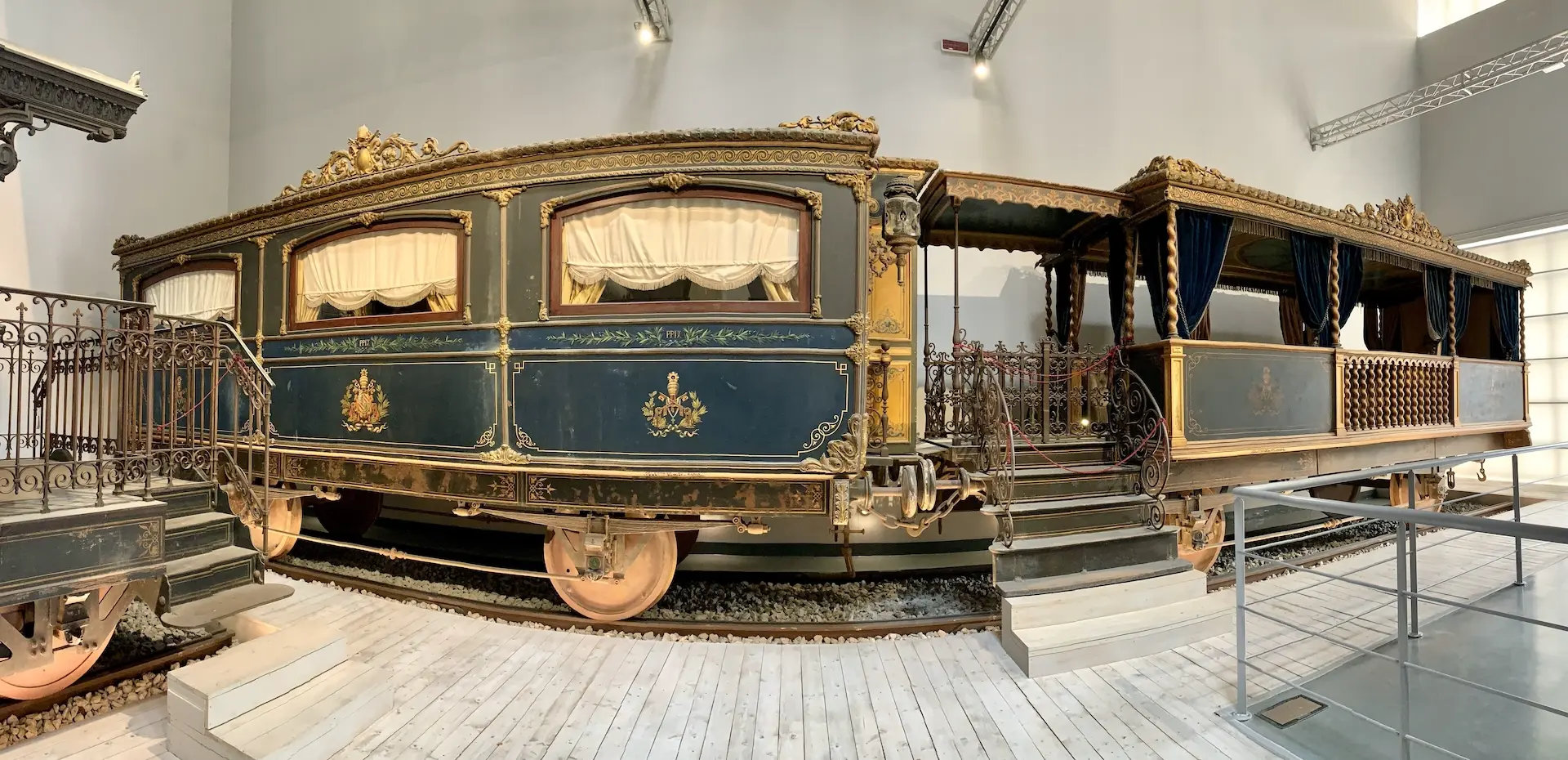
The train of Pius IX is at the interface of progress and contradiction. On the one hand, it embodies the technical upheaval of the 19th century and the modernization efforts of the church state. On the other hand, he recalls an era in which religious authority and worldly luxury were closely intertwined – and that is precisely where his still-lasting fascination and controversy lie.
When Giovanni Maria Mastai Ferretti ascended the papal throne on June 16th, 1846 and accepted the name Pius IX, he soon recognized the strategic importance of the railway. In a time of profound changes in Europe, he understood that the expansion of the rail network would allow not only economic progress but also political control and social networking.
Just after his election, Pius IX initiated the construction of several railway lines that connected Rome with the most important cities of the Church state. This ambitious infrastructure project should promote modernisation and strengthen the Vatican's power.
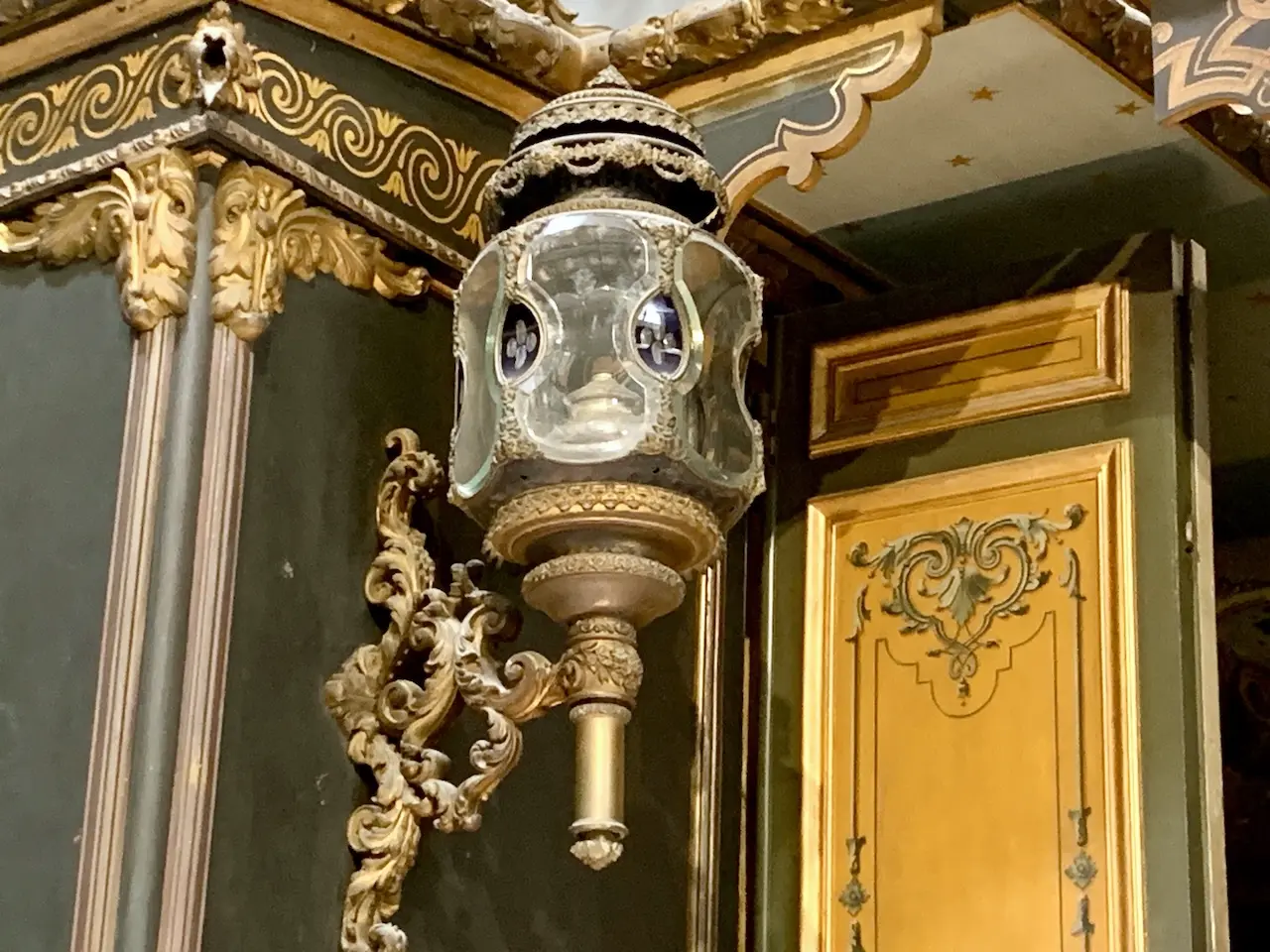
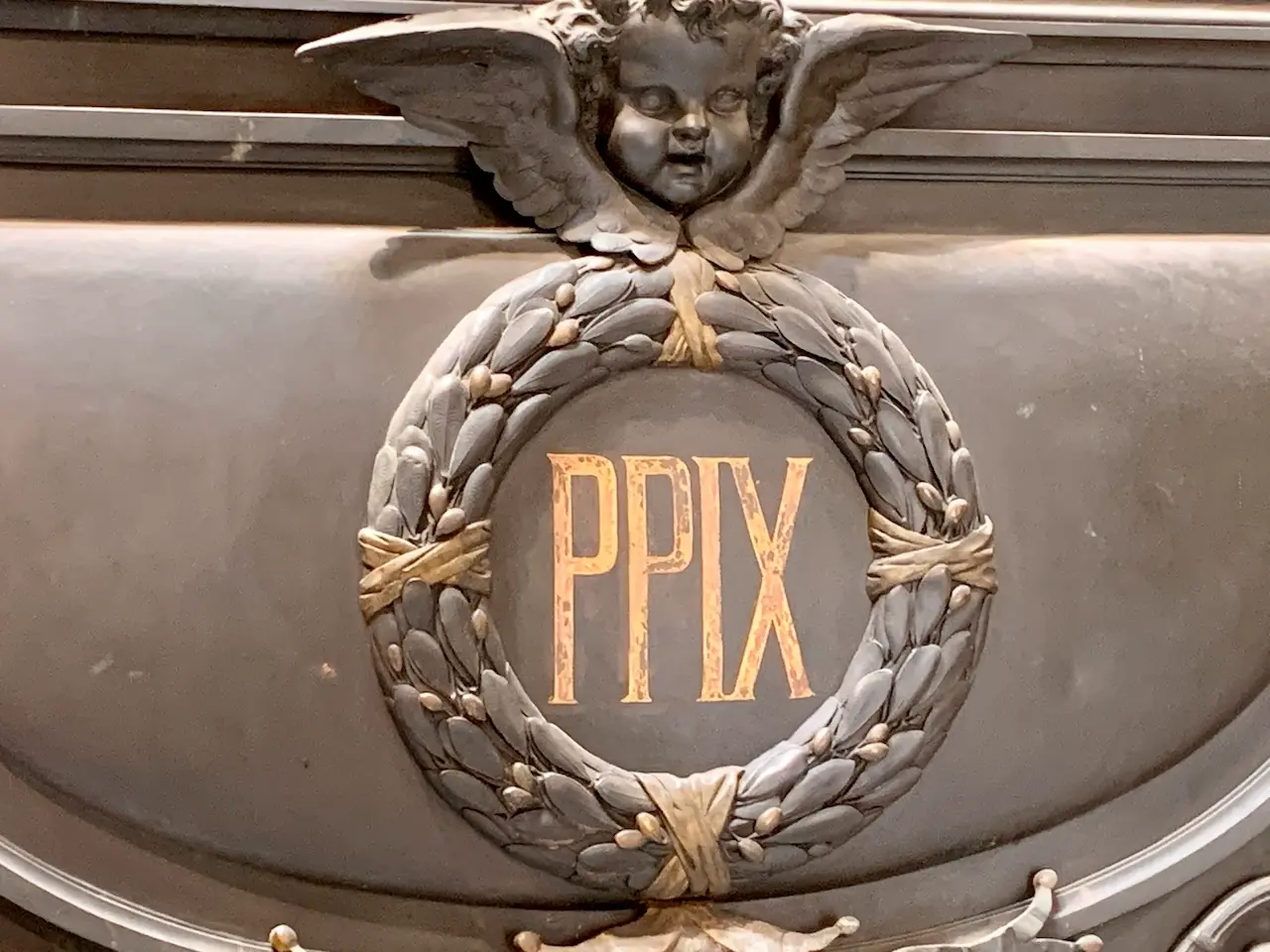
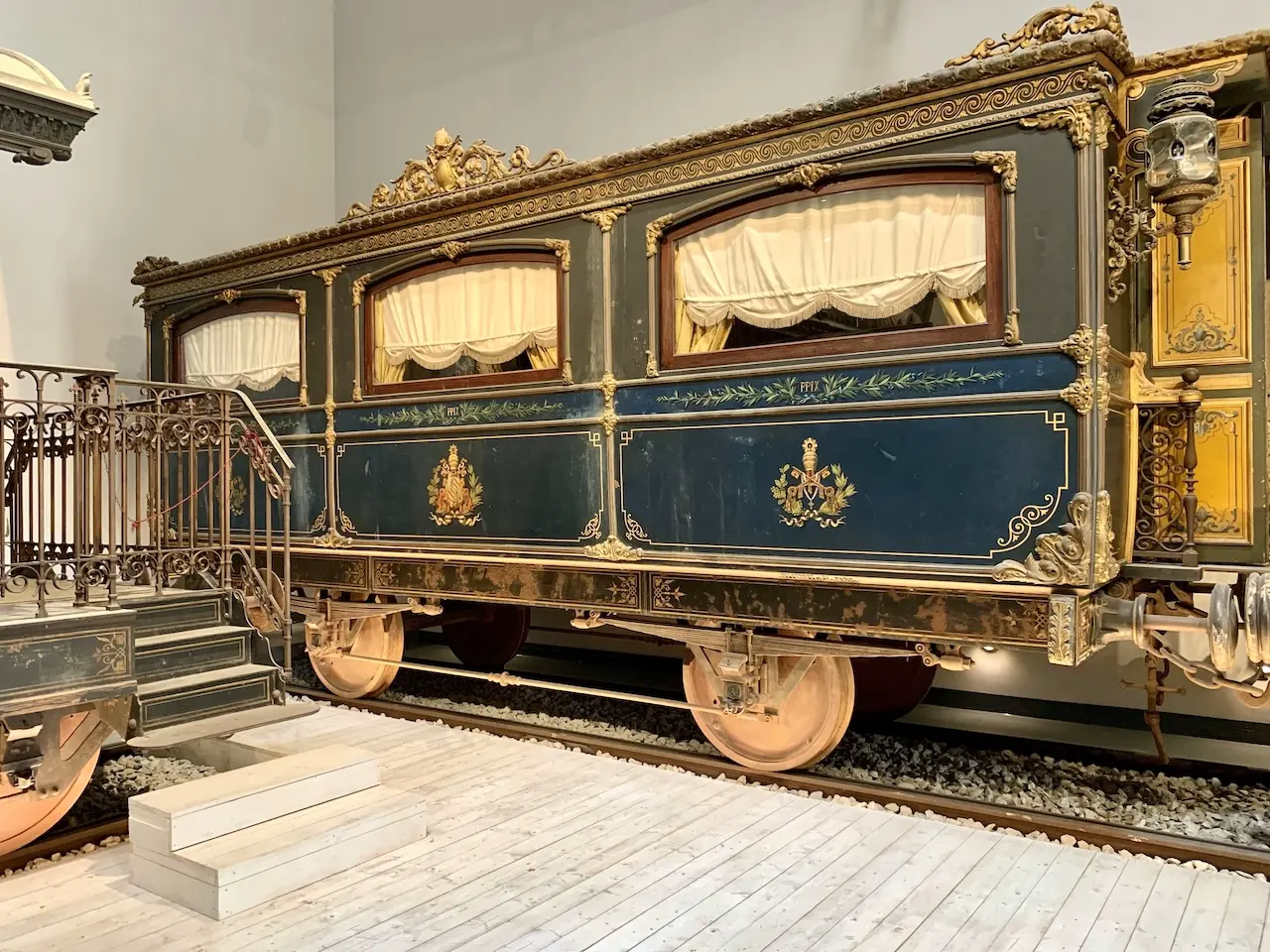

The papal luxury train
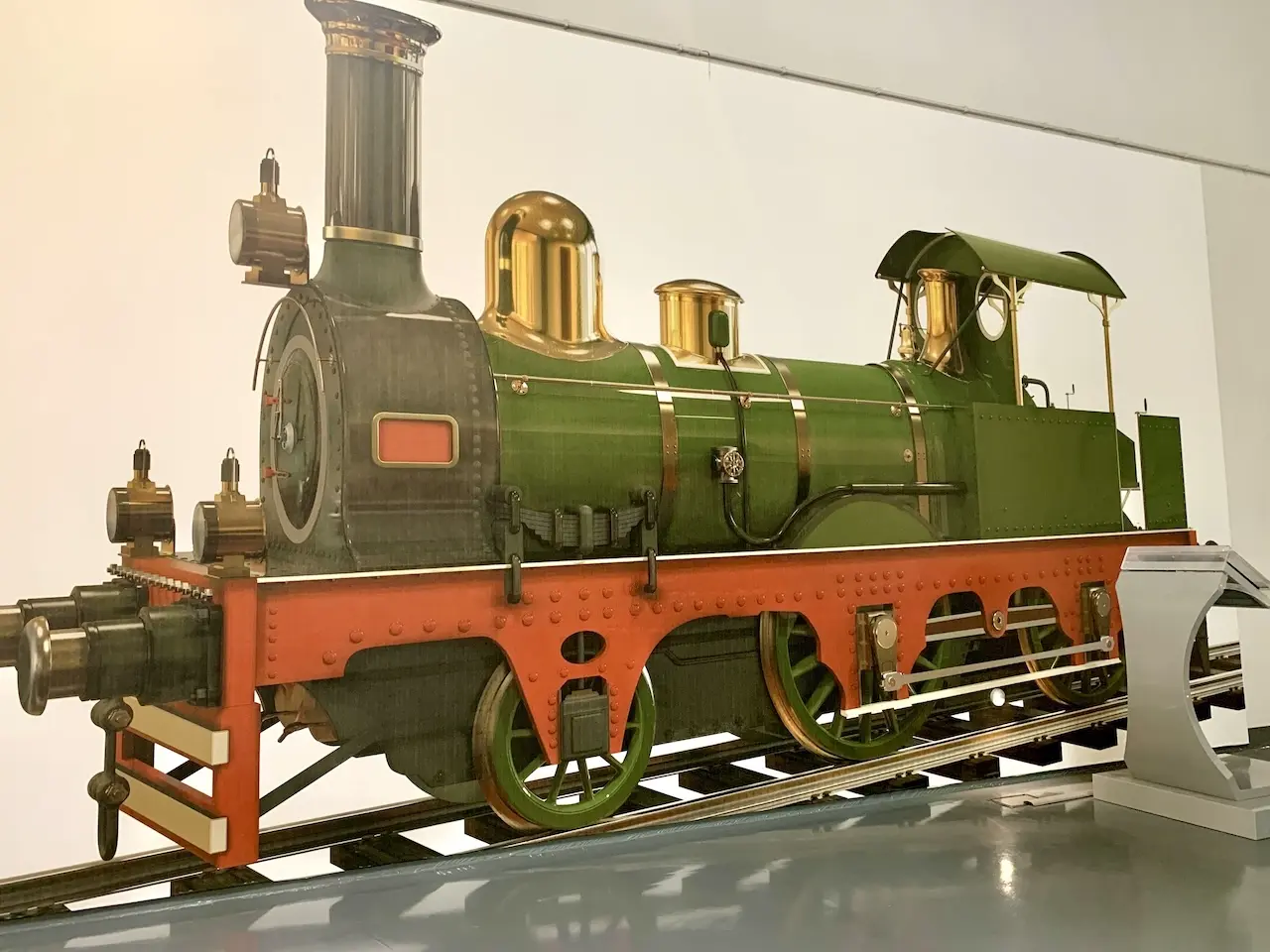
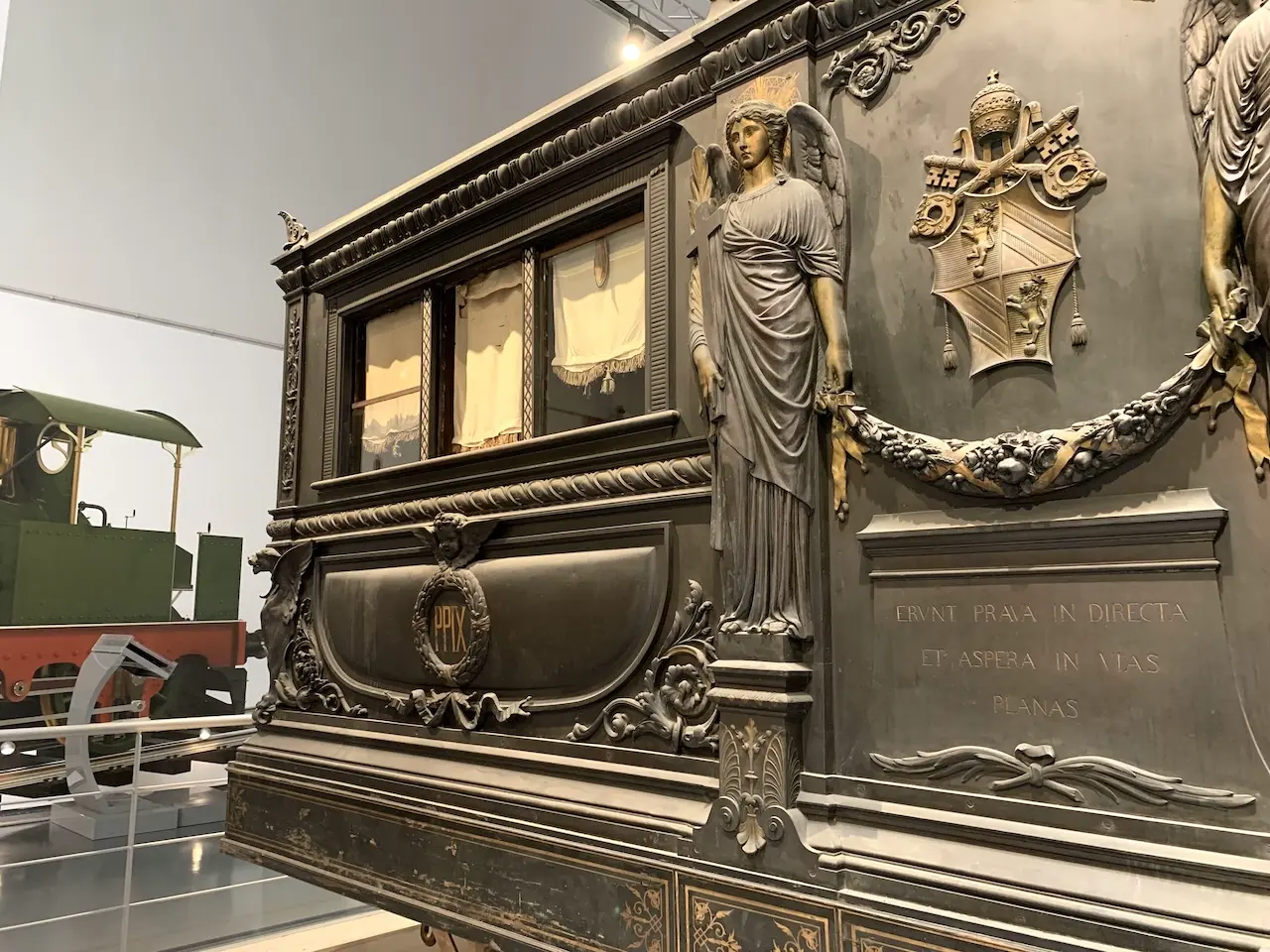
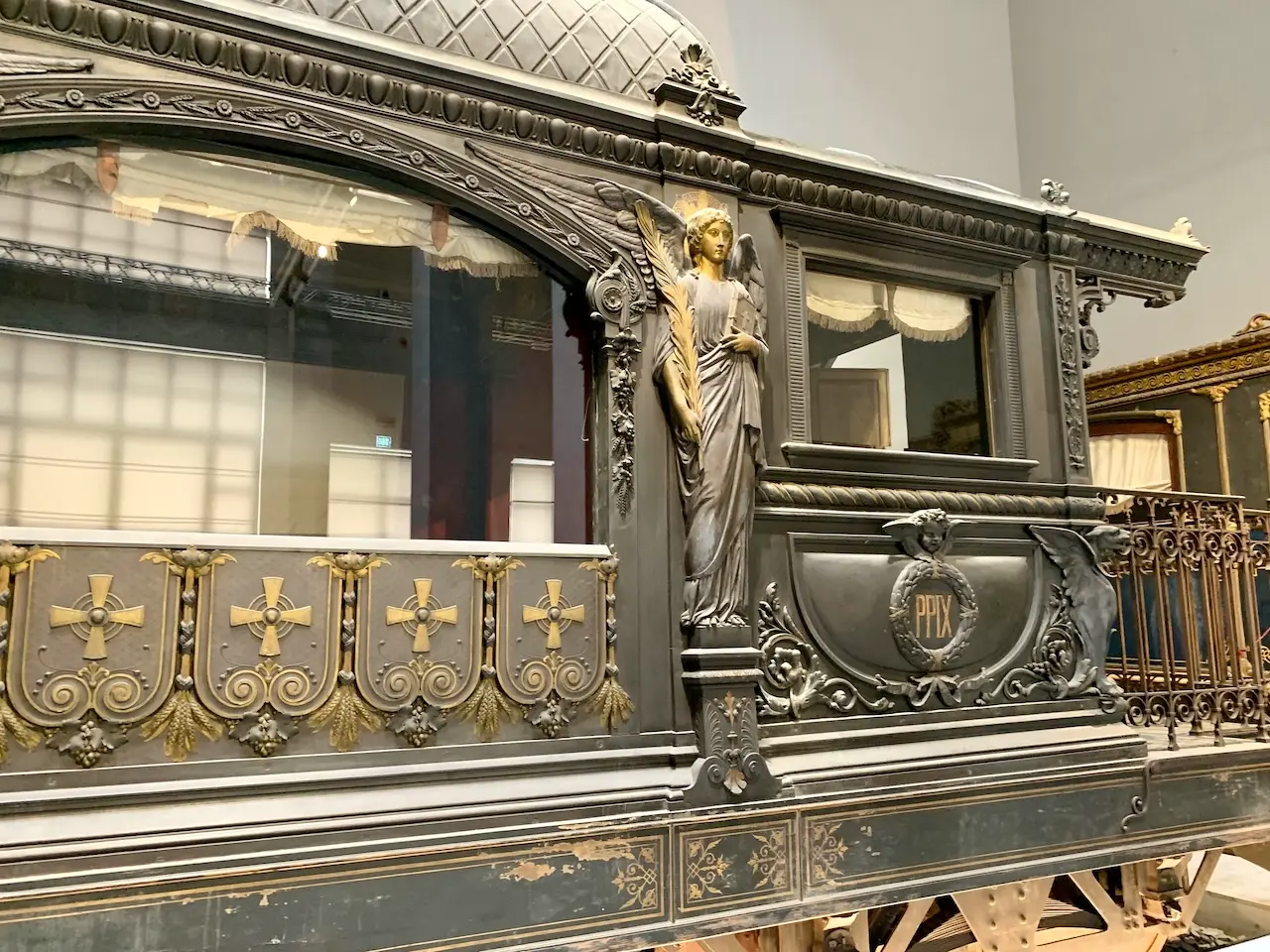
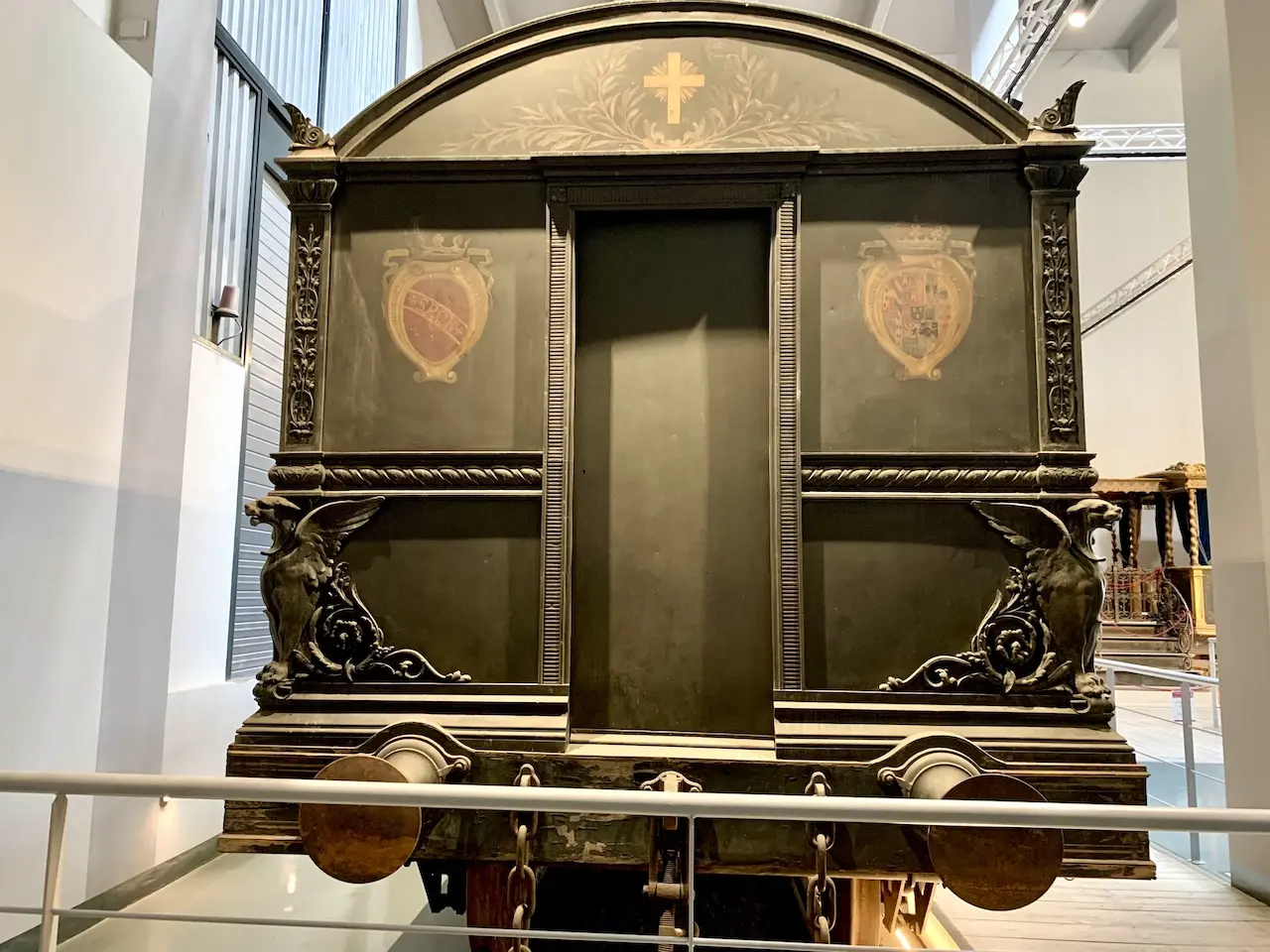
In 1858 an extraordinary symbol of this development was created: the papal train. Financed and commissioned by the railway companies "Pio Centrale" and "Pio Latina", he was made by French companies and presented to the Pope as a gift.
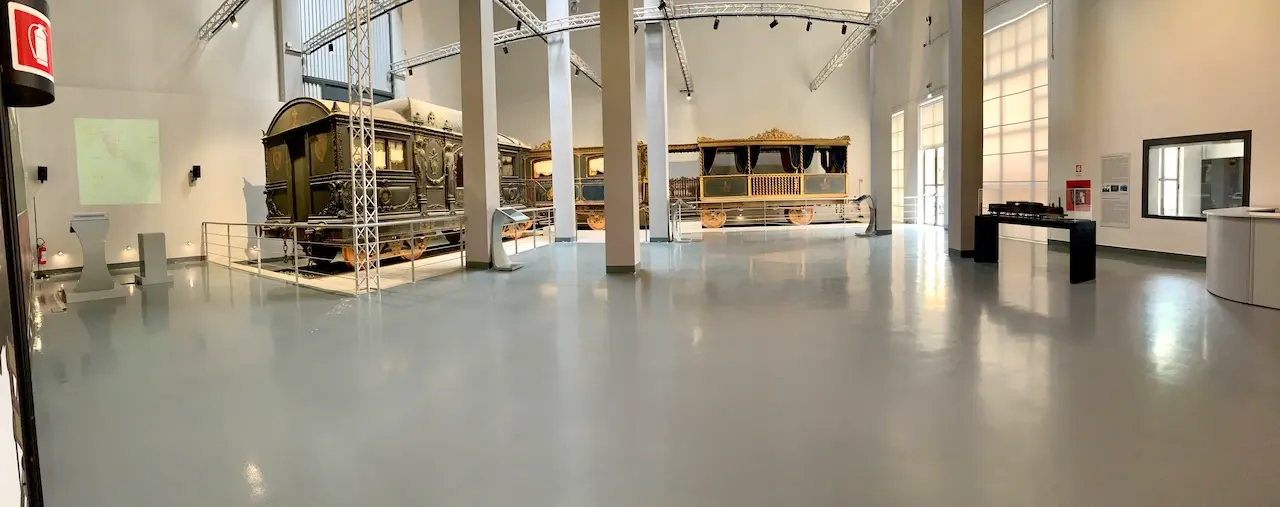
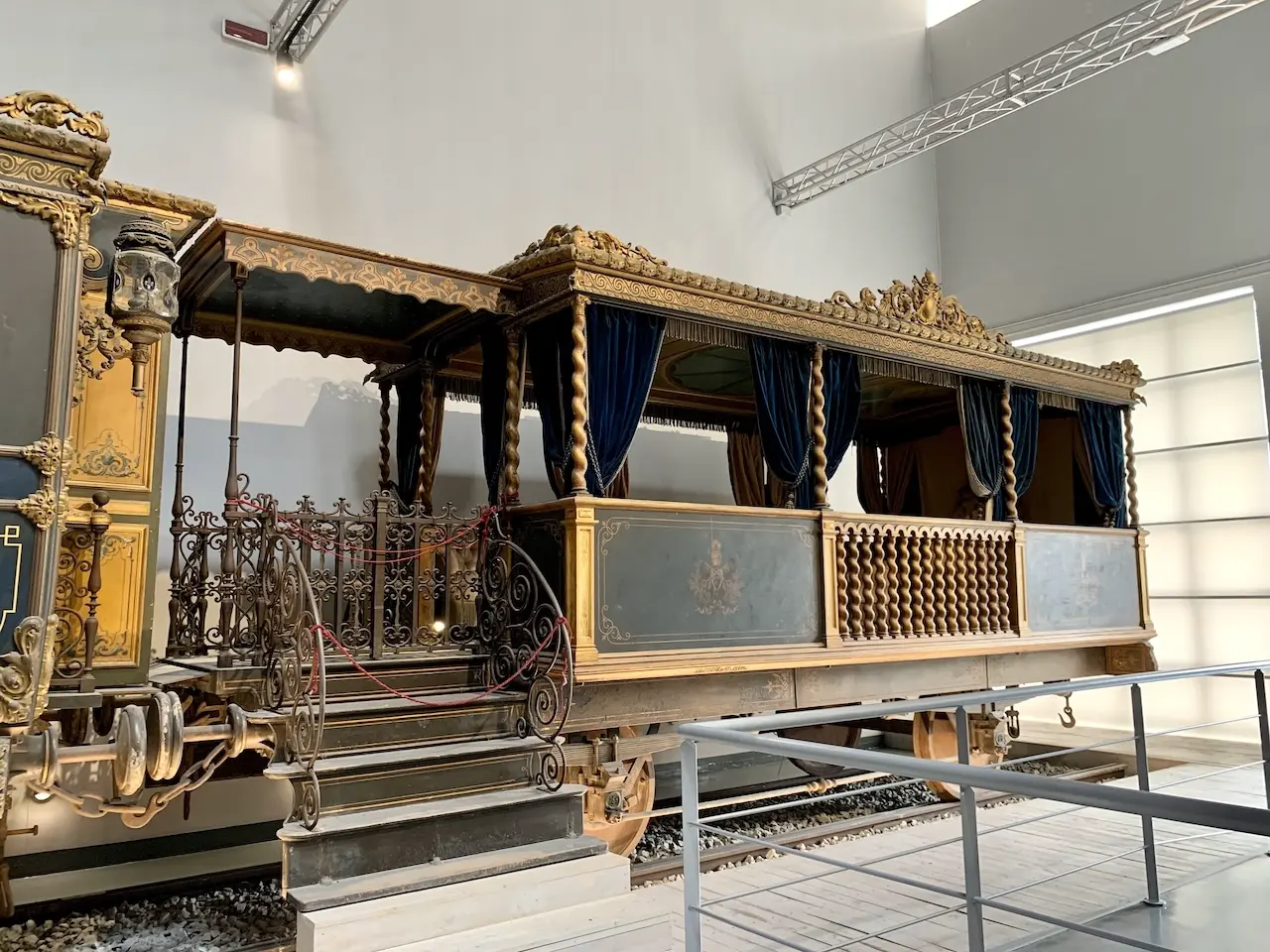
The three wagons of this train are now one of the oldest preserved railway vehicles in Italy. But not only their historical value is remarkable – especially their equipment was already paying attention at that time. The cars were richly decorated, luxuriously equipped and reflected a lifestyle that reminded more of monarchical splendour than religious modesty.
On 3 July 1859 Pius IX took place. his first trip in this train – from Porta Maggiore station to Cecchina near Albano. It was a symbolic moment to demonstrate progress and power.
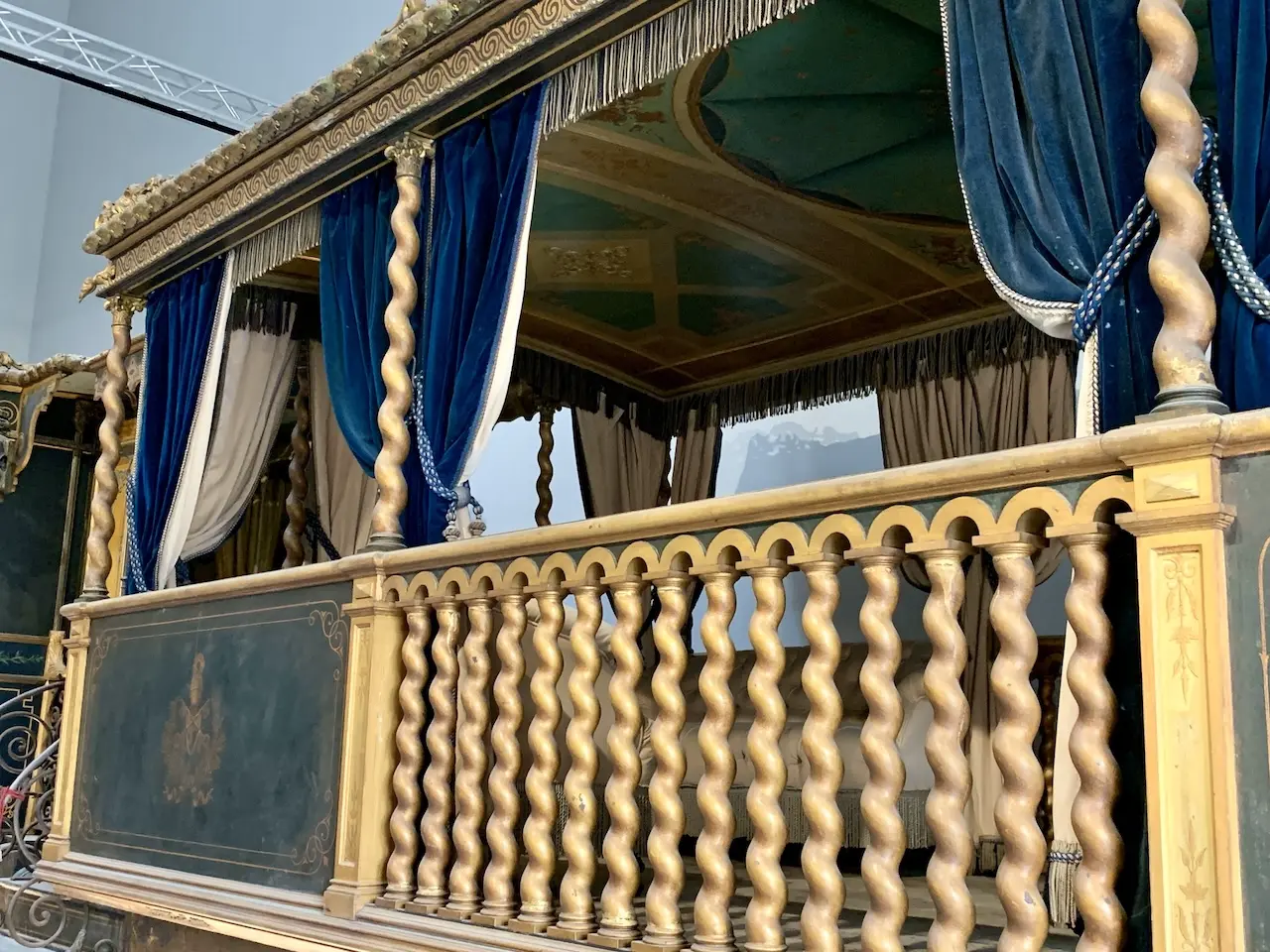
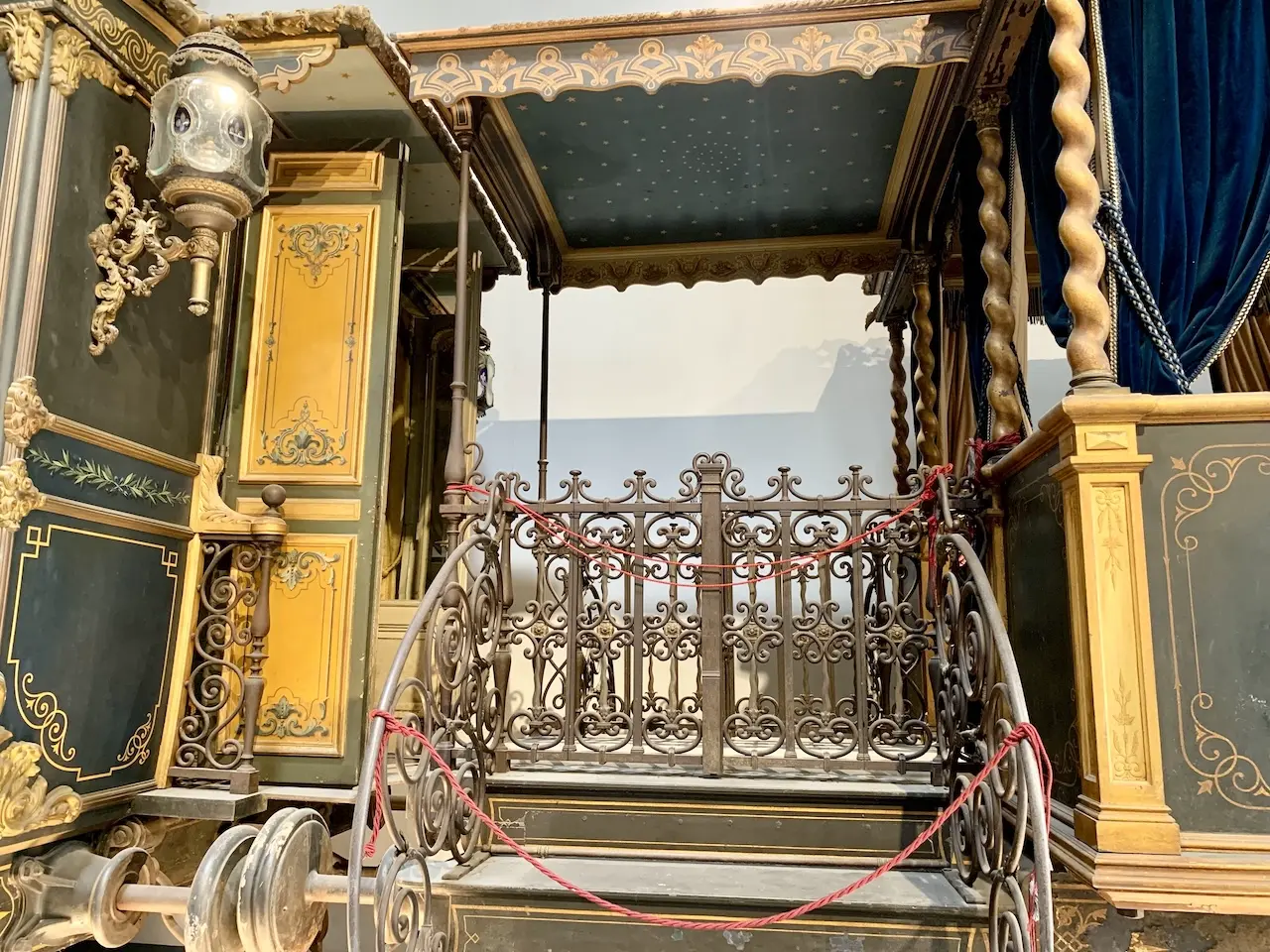
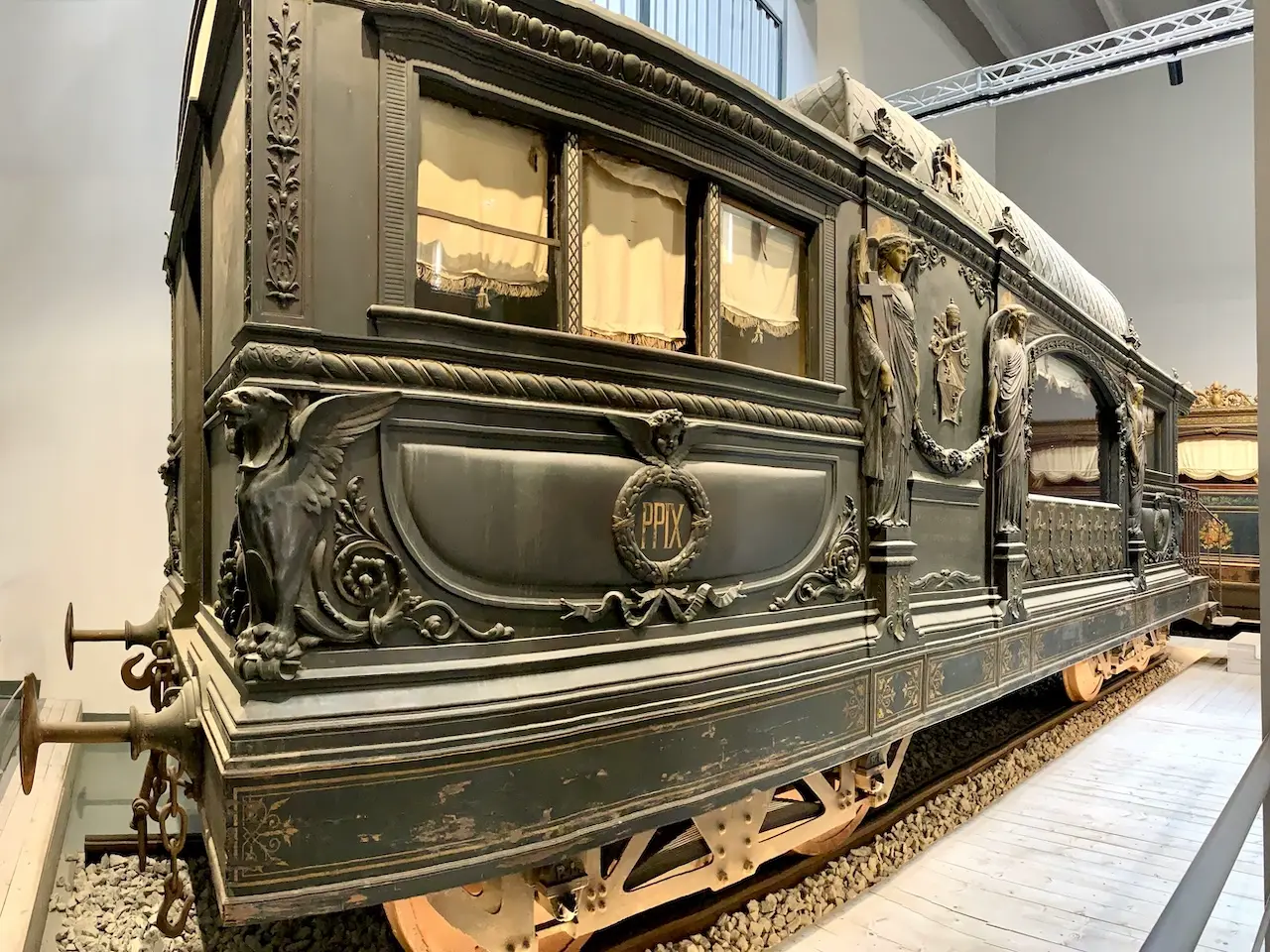

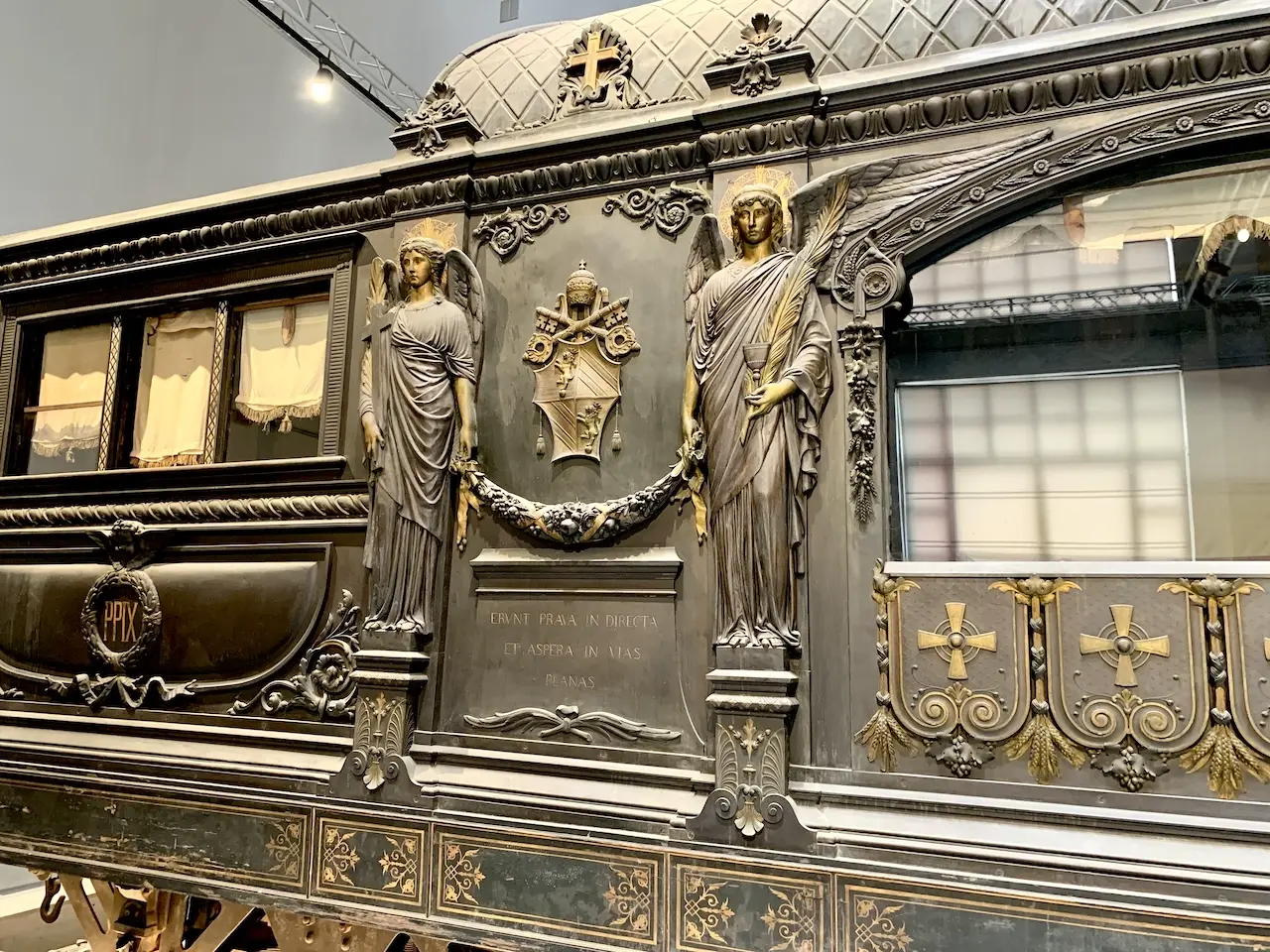
Between decay and memory
After Rome was taken in 1870, the train lost its original meaning. It was first placed in Civitavecchia and later brought to Roma Termini, where it was partially plundered and deprived of its ornaments.
It was only in 1911 that the historical value was recognized. The Italian state railways restored the train and exhibited it in Engelsburg on the occasion of the 50th anniversary of the Kingdom of Italy. Later he came to the Museum of Rome, where he is still a witness to a past epoch.
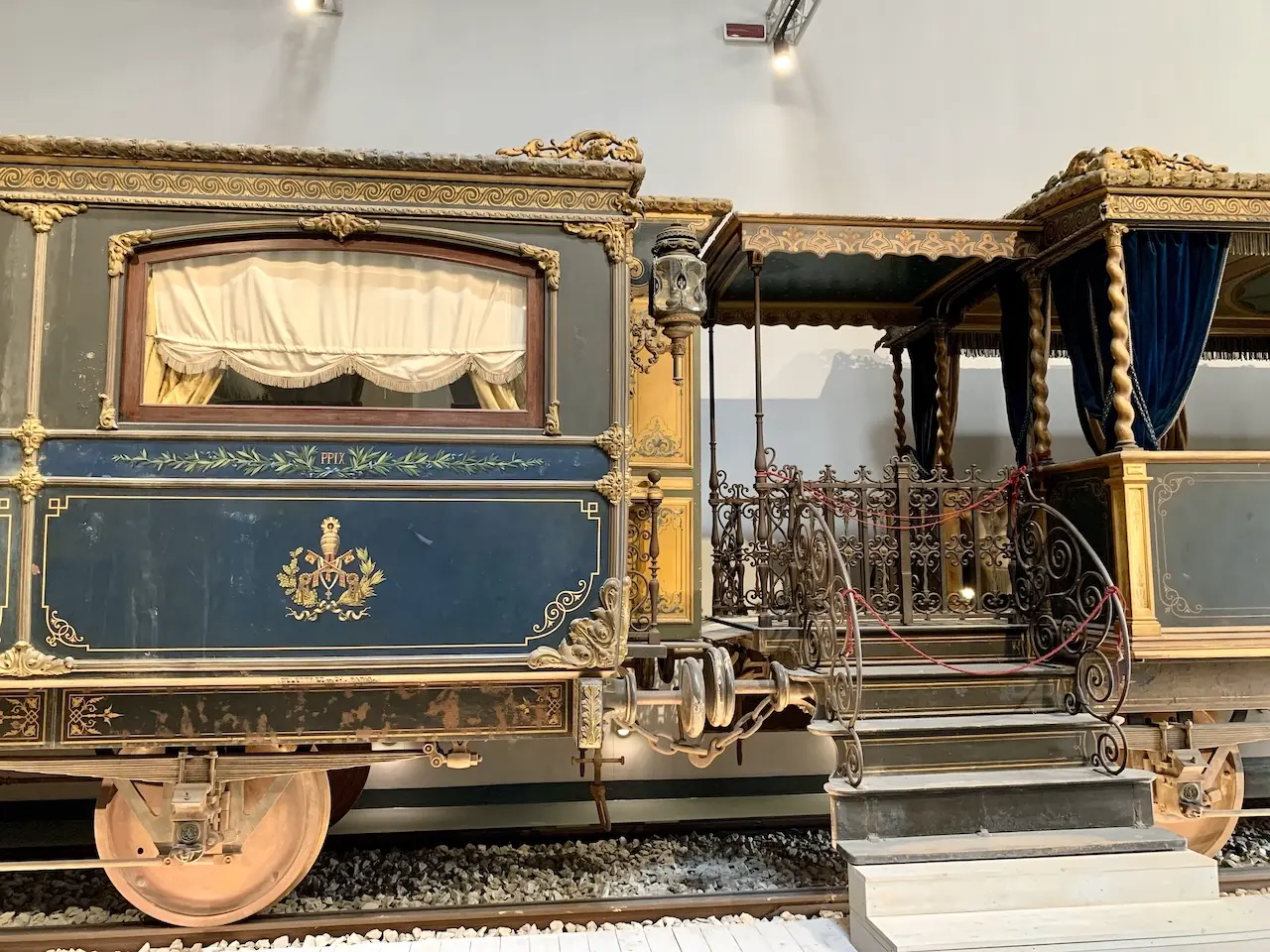
Review: Symbol of moral decay?
As impressive as the train from a technical and historical perspective is, it also raises critical questions. The enormous luxury with which the head of the Catholic Church encircled is strongly contrasted with the values of modesty and humility preaching Christianity.
For many critics, Pius IX's train is more than just a historical artefact. It is considered a symbol of moral decay within the Catholic Church of that time – an expression of power, wealth and distance to the simple believers. The magnificent furnishing of the train can be interpreted as a sign that parts of the ecclesial leadership were increasingly removed from their spiritual ideals.
Photo series: EURO PRESS
All recordings: own images